
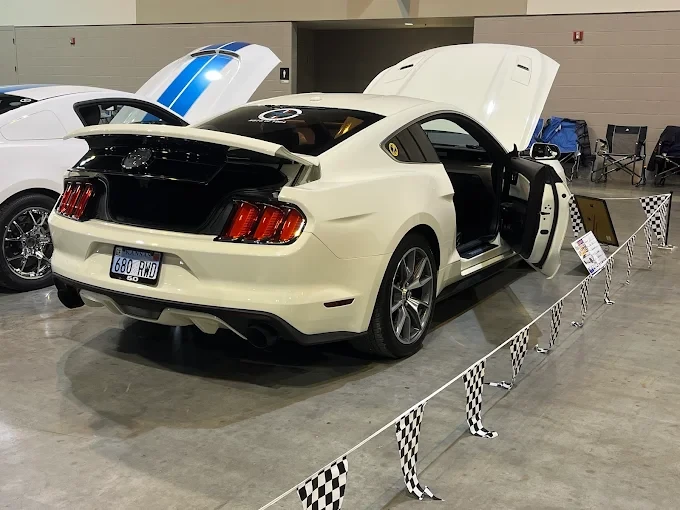
You love the look of a brand-new car. The paint shines brightly under the sun, the interior smells fresh, and every single surface feels perfectly clean. But as soon as you drive off the lot, dirt, sun exposure, and daily wear start to fade that showroom glow. A quick run through a local automated car wash might remove the surface grime, but it cannot restore or protect your vehicle.
Achieving a brilliant, mirror-like shine requires professional auto detailing. We will explore exactly why detailing services are crucial for your car, how they protect your financial investment, and the secret behind maintaining that flawless finish year after year.
What Exactly is Auto Detailing?
Many car owners confuse washing with detailing. While both involve cleaning the vehicle, the similarities end there. Detailing is a comprehensive, multi-step process designed to clean, restore, and protect every inch of your car.
Beyond the Basic Car Wash
A standard car wash only removes loose dirt and dust. In fact, automated washes often use harsh, dirty brushes that leave microscopic scratches in your clear coat. We call these swirl marks. Over time, these tiny scratches make your paint look dull and faded.
Detailing goes much deeper. Professionals use specialized tools, pH-balanced soaps, and meticulous hand-washing techniques. Detailers often employ the two-bucket wash method. One bucket holds the soapy water, and the other holds clean water to rinse the wash mitt. This prevents dirt from transferring back onto your car’s paint, completely eliminating the risk of accidental scratching during the wash.
The Interior and Exterior Difference
Exterior detailing focuses on the paint, wheels, tires, glass, and trim. Professionals use tools like clay bars to pull embedded contaminants directly out of the paint surface. They clean the wheel barrels, dress the tires to prevent cracking, and polish the exhaust tips.
Interior detailing targets the cabin. It involves deep cleaning the carpets, conditioning leather seats, and sanitizing high-touch areas like the steering wheel, gear shifter, and door handles. Professional detailers use specialized brushes to clean inside the air vents and compressed air to blow dirt out of tight crevices between the seats.
Why Your Vehicle Deserves Professional Detailing
Your vehicle is one of the most expensive purchases you make. Just as you change the oil to protect the engine, you must detail the car to protect its physical structure and appearance.
Protecting Your Paint and Clear Coat
Your car faces constant environmental attacks. UV rays from the sun oxidize the paint, causing it to look chalky and faded over time. Bird droppings, tree sap, and crushed bugs are highly acidic. If left untreated, they will literally eat through your clear coat and permanently damage the base paint layer beneath.
During the winter months, road salt poses a massive threat. Salt clings to the undercarriage and lower body panels, rapidly accelerating rust and corrosion. Detailing services safely remove these corrosive elements. Detailers then apply protective layers like high-quality sealants or waxes. These products act as a sacrificial barrier against environmental hazards, keeping your paint safe and vibrant.
Preserving the Resale Value
A well-maintained vehicle commands a significantly higher price on the used market. Dealerships and private buyers notice the condition of the paint and the interior immediately. Regular detailing prevents the permanent damage that drastically lowers a car’s overall value.
Think of auto detailing as a protective investment rather than a simple maintenance expense. You spend a small amount now to maintain thousands of dollars in resale value later. A car with flawless paint and a spotless interior sells much faster and for a higher premium than a neglected vehicle.
The Secret to a Flawless Finish
Washing a car makes it clean, but correcting the paint makes it flawless. To achieve that wet, glossy look you see on show cars, you need specialized exterior detailing techniques.
Paint Correction Explained
If you look closely at your car’s paint under direct sunlight or a streetlamp, you might notice a web of light scratches. These swirl marks scatter light instead of reflecting it directly back at your eyes. This scattering effect hides the true depth and color of your paint.
Paint correction is a core detailing service that removes these frustrating imperfections. Professional detailers use machine polishers and liquid abrasive compounds to carefully shave away a microscopic layer of the clear coat. This levels the surface, permanently removing the scratches. Once the surface is perfectly flat, the light reflects evenly, restoring a deep, glossy, mirror-like shine.
The Power of Ceramic Coatings
Once the paint looks perfect, you need to lock in that finish. Traditional carnauba waxes look great, but they melt away after a few weeks in the hot sun. Synthetic sealants offer better durability, lasting up to six months. However, ceramic coatings offer the ultimate protection for your vehicle.
A ceramic coating is a liquid polymer that bonds chemically with your car’s factory paint. It creates a hard, hydrophobic layer of protection. Water tightly beads up and rolls right off the surface, taking dirt and dust with it. This self-cleaning effect makes your car incredibly easy to wash. A professional-grade ceramic coating gives your car a permanent glossy look and can last for several years with proper routine maintenance.
Interior Detailing: Comfort and Health
A great finish is not just about the outside of the car. The cabin is where you spend all your time, and it requires just as much attention as the exterior paint.
Eliminating Harmful Bacteria
You spend hours inside your car every week. This makes the cabin a prime breeding ground for bacteria, mold, and allergens. Dust collects deep inside the climate control vents, and accidental spills seep into the fabric seats.
Professional interior detailing uses high-pressure steam cleaners and specialized hot water extractors to pull dirt and bacteria directly out of the upholstery. This deep cleaning greatly improves the air quality inside your cabin. It removes lingering odors and makes your daily commute much healthier and more pleasant.
Protecting Leather and Fabrics
Leather seats can easily dry out, crack, and fade without proper care. Sunlight and fluctuating temperatures pull the natural moisture out of the material. Detailers clean the leather to remove body oils and dirt, then apply rich, nourishing conditioners. This keeps the material soft, supple, and resistant to cracking.
For fabric seats and floor carpets, detailers apply protective chemical sprays that actively repel liquids. If you accidentally spill your morning coffee, the liquid pools safely on the surface instead of soaking deeply into the seat cushion. This gives you plenty of time to wipe it up without leaving a permanent stain.
The Hidden Costs of Neglecting Your Car
Ignoring your car’s finish leads to expensive consequences. When the clear coat fails due to lack of protection, the paint begins to peel and flake off. We call this clear coat failure, and you cannot reverse it with detailing. The only fix is to sand the car down and repaint the affected panels at a body shop. This process costs thousands of dollars.
Similarly, neglecting your interior leads to permanent foul odors and cracked dashboard plastics. UV rays degrade untreated plastic trim, causing it to turn gray and brittle. Regular detailing applies UV-blocking dressings to your dashboard and door panels, keeping them looking rich and new. Preventative detailing saves you from facing these massive repair bills.
How Often Should You Detail Your Car?
The ideal detailing schedule depends entirely on how you use your vehicle and where you store it. If you park your car outside under the sun and drive it daily, you should aim for a thorough detailing service every four to six months. The constant exposure to the elements demands frequent protection.
A garage-kept vehicle driven only on weekends might only need a full detail once a year. However, regardless of how often you drive, you should still schedule regular maintenance washes. Washing your car every two weeks prevents heavy dirt and brake dust from building up between your major detailing sessions.
Conclusion
Professional detailing services do far more than just make your car look good for a few days. They protect your expensive clear coat from severe environmental damage, sanitize your interior for a healthier commute, and strongly preserve the long-term resale value of your vehicle. By investing in regular auto detailing, you save significant money on premature wear and tear while enjoying the unmatched feeling of driving a perfectly pristine car. Do not let daily grime and harmful UV rays slowly ruin your vehicle. Schedule a professional detailing appointment today and experience the incredible difference a truly flawless finish makes for your daily driving experience.